

The EMS system was very busy when we got the call at 5 pm on a Friday. We were down to one ambulance, and it had to go clear across town. If you know San Francisco, you know that time of the day is pretty much an ‘overwhelm zone’ to begin with.
We fought traffic all the way across town for a high-priority call, nearly getting T-boned in an intersection along the way. When we pulled up, a bystander came up to me screaming in my face that we “took too long” because, in their opinion, we didn’t care about them.
The truth was our ‘care’ was focused on the situation, not the feelings of the bystanders who wanted a quicker response.
I felt something surge in my chest like a fuse lighting. Vision narrowed. Every instinct said fire back. We had just risked our lives in that intersection, and this was the welcome.
I was one second from losing it completely.
I didn’t. Not because I was calm. Because there was a patient ten feet away, and I still had a job to do. I walked toward the emergency and left the noise behind.
But I felt it. For a long time after, I felt it.
When I sat with that moment later, something became clear. The bystander wasn’t angry at me. They were scared. Their trust had broken somewhere between the call and our arrival, and that fear came out as aggression. It wasn’t personal.
It was a signal.
I almost missed it because I was about to send one back.
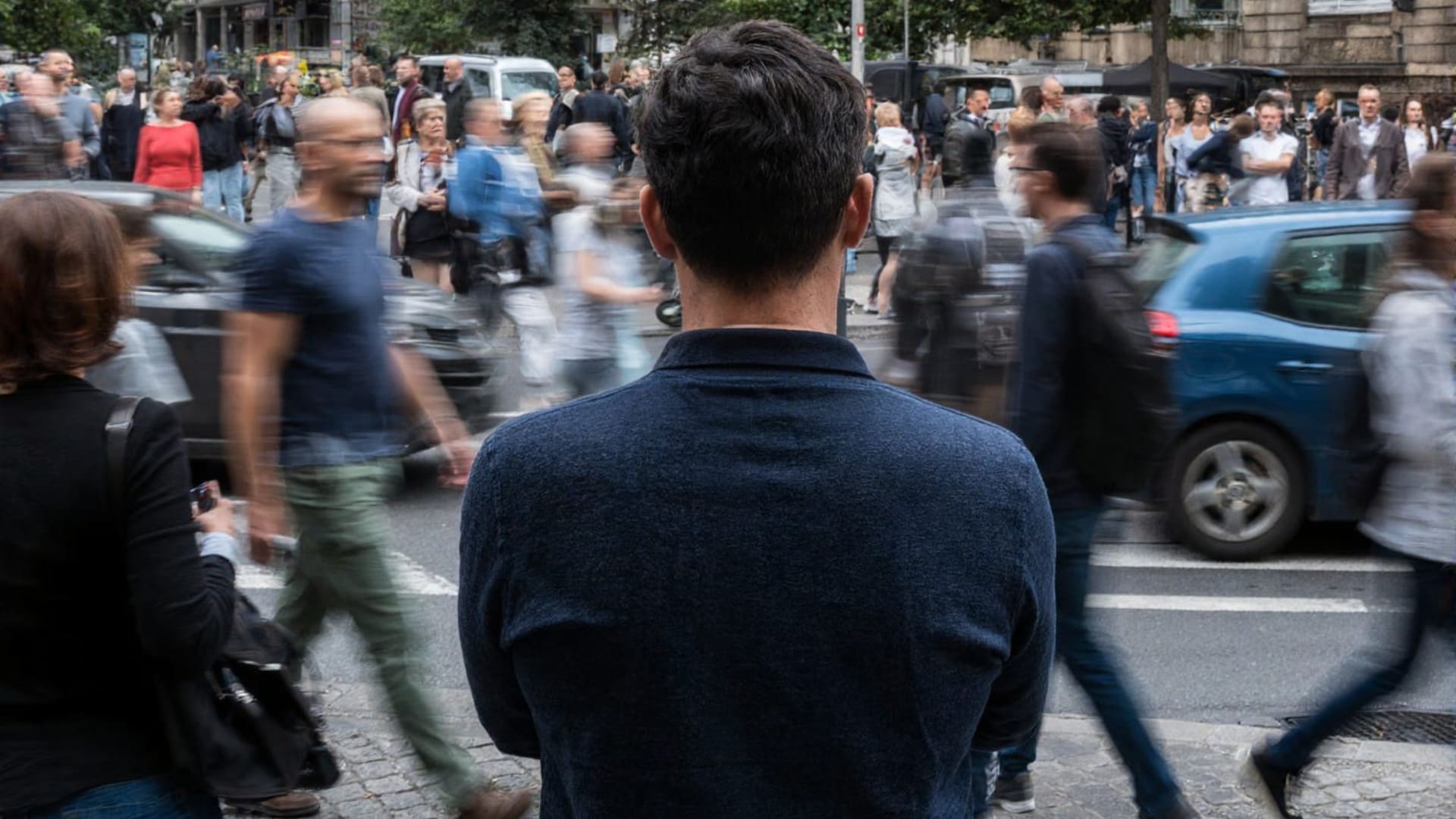
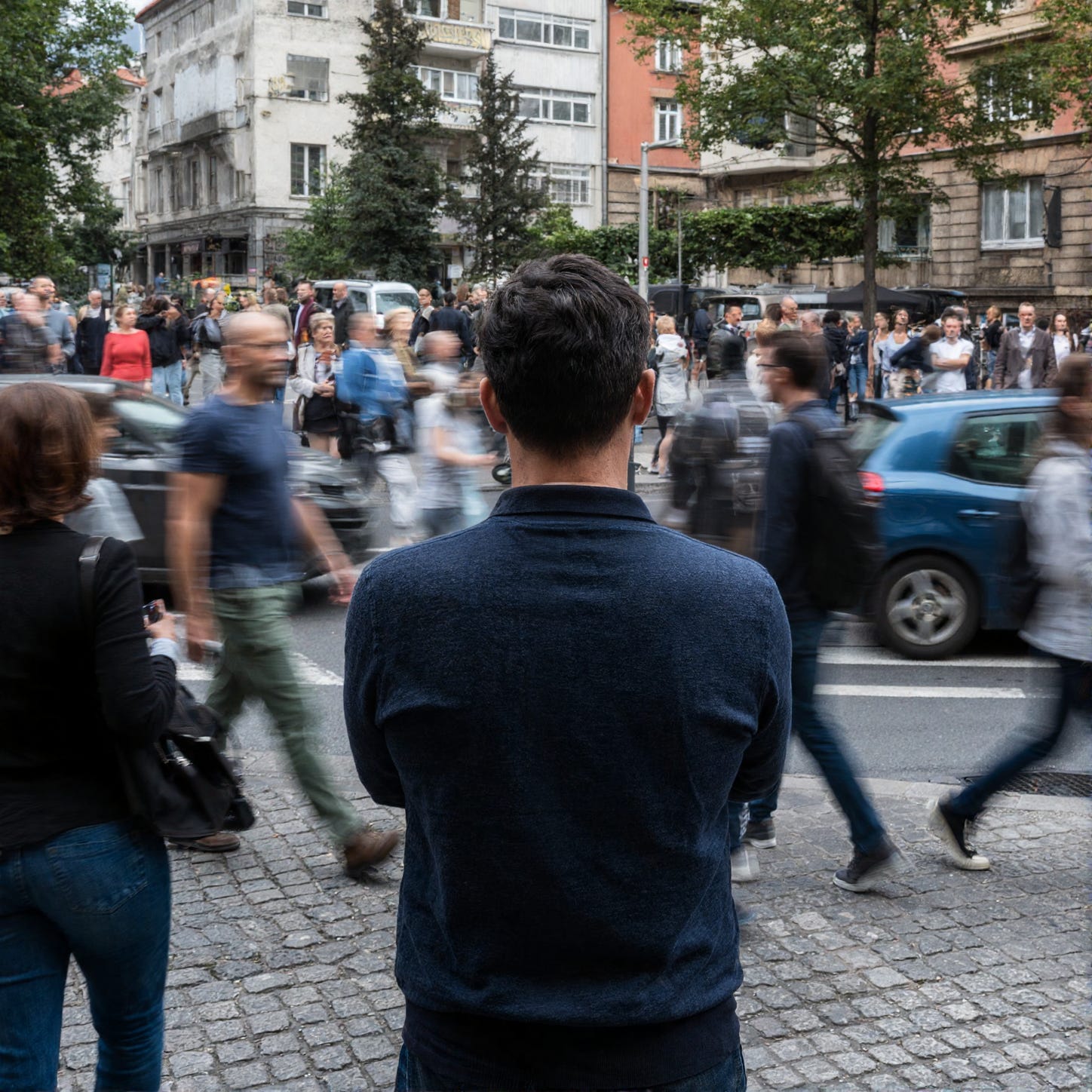
Here’s what 30 years of high-stakes work teaches you: the people making the most noise in a crisis are almost never the problem. They’re the symptom. The problem is the patient ten feet away. The thing that needs your full attention while everyone around it is losing their mind.
The hardest part of leading in a crisis isn’t the crisis. It’s the noise around it.
Every leader I work with has a version of this scene. Not a rig and a bystander, but the same dynamic. The team member who challenges your decision in front of everyone. The client who fires off a message that isn’t really about the message. The room that turns on you the moment something goes wrong, even when nothing you did caused it.
The instinct is to respond to the noise. Defend yourself. Explain the timeline. Prove that you care.
That’s the trap.
When I’m in that moment now, three questions slow everything down:
What does this person actually need right now?
Is their fear telling me something real about how I’m showing up?
What’s the ‘patient’ in this room, and am I still focused on it?
That last one is the one that changes everything. Because there is always a patient. The actual problem that needs solving. The work that still has to get done. The moment you lose focus, the noise wins.
The irony the bystander never understood was that our care was already in the room. It just wasn’t pointed at them. We optimize our schedules, sharpen our responses, build our systems, and sometimes the crowd reads all of that as not caring, because we’re not performing care in the direction they’re looking.
My job in that scene wasn’t to fix the bystander’s feelings. It was to hold the center so the work could get done. It doesn’t always look like caring to the people watching. Sometimes the most caring thing you can do is ignore the crowd and focus on the patient.
We spend our lives trying to be understood. Maybe the bigger move is realizing that, in a crisis, being misunderstood is the price of doing the job right.
Where is the noise from your bystanders pulling your focus from the patient?
Reply and tell me.
I read everything.
Read full here - https://johnrchristy.substack.com/p/your-anger-doesnt-scare-me-leading-under-pressure

John Christy