

A Practical Guide to Finding the Right Career, Life, or Executive Coach
Choosing the right coach can accelerate your growth.
Choosing the wrong one can cost you months of momentum.
If you’re searching for:
how to choose a coach
how to find the right career coach
how to hire a life coach
executive coaching selection guide
best coaching platform
This guide will help you make a strategic, informed decision — without wasting time or money.
Why Choosing the Right Coach Matters More Than Ever

The global coaching industry is valued at over $4 billion, with consistent annual growth. More professionals are investing in career coaching, leadership coaching, and personal development than ever before.
But more coaches does not automatically mean easier decisions.
In fact, the abundance of options increases decision fatigue — and research in behavioral economics shows that too many choices often lead to delayed or poor decisions.
When it comes to coaching, delay equals stagnation.
Step 1: Define Your Coaching Goal Before Searching

Before typing “best career coach near me” into Google, pause.
The most important question is:
What specific result do I want in the next 90 days?
Common coaching goals include:
Career transition or promotion
Leadership development
Building executive presence
Scaling a startup
Improving accountability and performance
Overcoming burnout
The clearer your outcome, the easier it becomes to evaluate coaching alignment.
Without defined goals, you risk choosing based on personality or branding instead of methodology and fit.
Step 2: Understand Coaching Specializations

Not all coaches are the same.
There are different types of coaching:
Career coaching
Executive coaching
Leadership coaching
Business coaching
Life coaching
Performance coaching
Each specialization uses different frameworks and approaches.
For example:
A leadership coach may focus on communication patterns and strategic thinking.
A business coach may focus on systems, KPIs, and operational decisions.
A life coach may emphasize mindset and emotional clarity.
Choosing the wrong specialization is one of the most common mistakes clients make.
Step 3: Certifications Matter — But Alignment Matters More

Many clients search for:
ICF certified coach
accredited executive coach
certified life coach
Credentials ensure professional standards and ethical training.
However, two certified coaches can operate completely differently.
When evaluating a coach, ask:
What is your coaching framework?
How do you measure progress?
How do you structure sessions?
What results do clients typically achieve?
Effective coaching is structured and measurable.
If answers are vague, reconsider.
Step 4: Always Book a Discovery or Demo Session
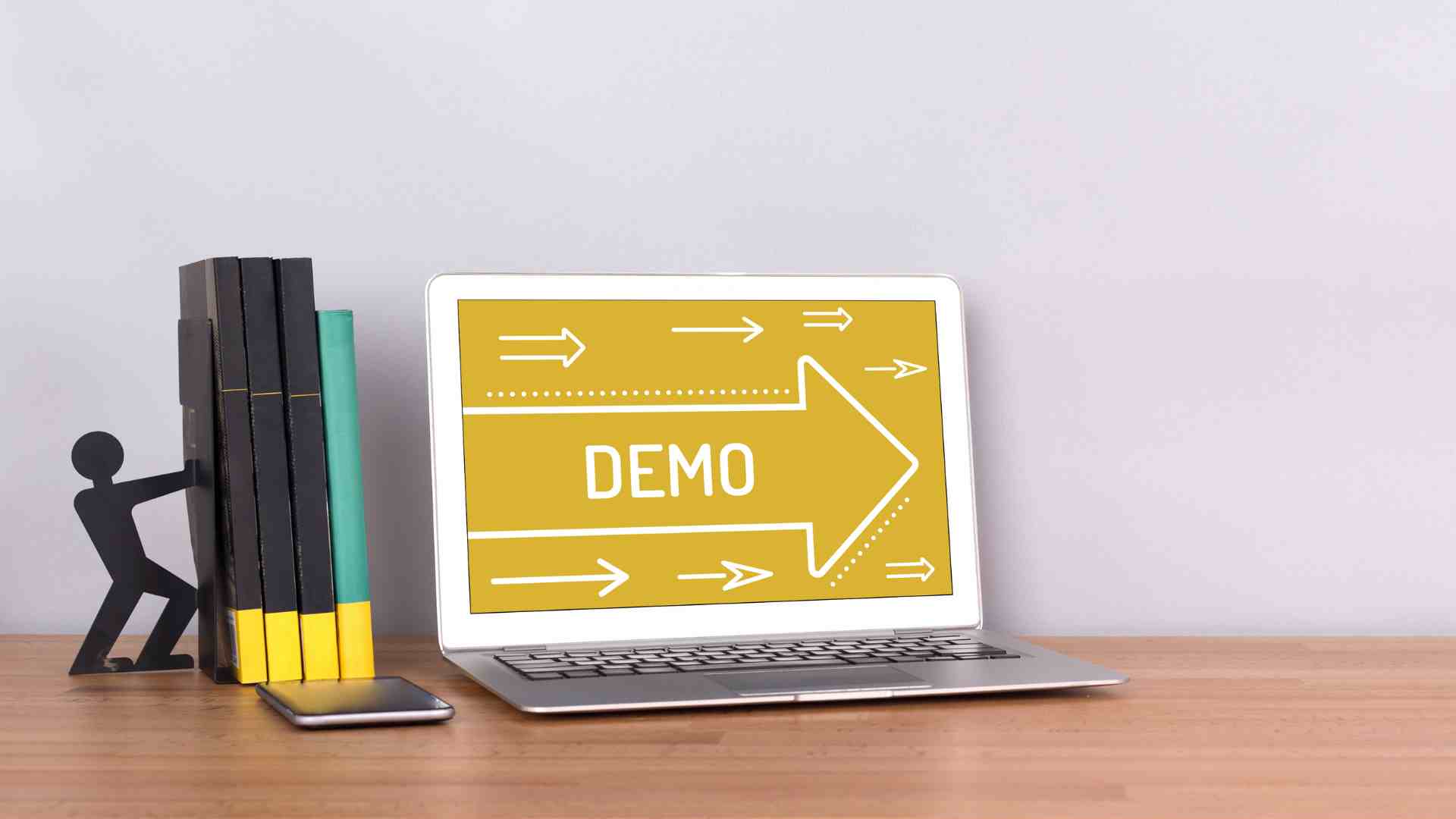
One of the biggest risks in hiring a coach is committing without testing compatibility.
Coaching success depends on:
Psychological safety
Communication style alignment
Accountability expectations
Personality compatibility
A demo or discovery session allows you to evaluate:
Whether the coach listens actively
Whether the session has structure
Whether goals are clarified
Whether you feel challenged constructively
Never skip this step.
Step 5: Avoid Decision Fatigue by Using Structured Matching

Traditional coach search methods are inefficient:
Browsing directories
Waiting for manual matching
Emailing multiple coaches
Comparing unstructured profiles
A smarter approach uses structured matching based on:
Your specific goals
Preferred methodology
Communication style
Experience level
Industry context
Platforms like Coach on Tap streamline this process by allowing you to:
Input your goals and preferences
Receive recommended coach matches
Book demo sessions with up to three aligned coaches
Compare before committing
This reduces risk and speeds up decision-making.
Common Mistakes When Choosing a Coach
Here are the most frequent errors clients make:
Choosing based on popularity rather than fit
Hiring the first coach they speak to
Not clarifying measurable outcomes
Ignoring methodology differences
Skipping demo sessions
Waiting too long to invest in support
Avoiding these mistakes protects both your time and money.
How Long Should You Work With a Coach?
Most coaching engagements range from:
3 months (goal-specific acceleration)
6 months (behavioral change integration)
12 months (executive or leadership transformation)
The duration depends on complexity and depth of goals.
However, progress should be visible within the first few sessions if alignment is strong.
Final Checklist Before Hiring a Coach
Before committing, ensure:
✔ Your goal is clearly defined
✔ The coach’s specialization matches your objective
✔ Methodology is structured
✔ Progress measurement is discussed
✔ You’ve completed at least one demo session
✔ Communication style feels aligned
If these conditions are met, you significantly reduce risk.
Find the Right Coach — Faster
You don’t need to browse endlessly or guess.
On Coach on Tap, you can:
Get matched based on your goals
Compare top-fit coaches
Book demo sessions before committing
Manage scheduling and progress seamlessly
Choosing a coach should feel strategic — not stressful.
Coach on Tap