

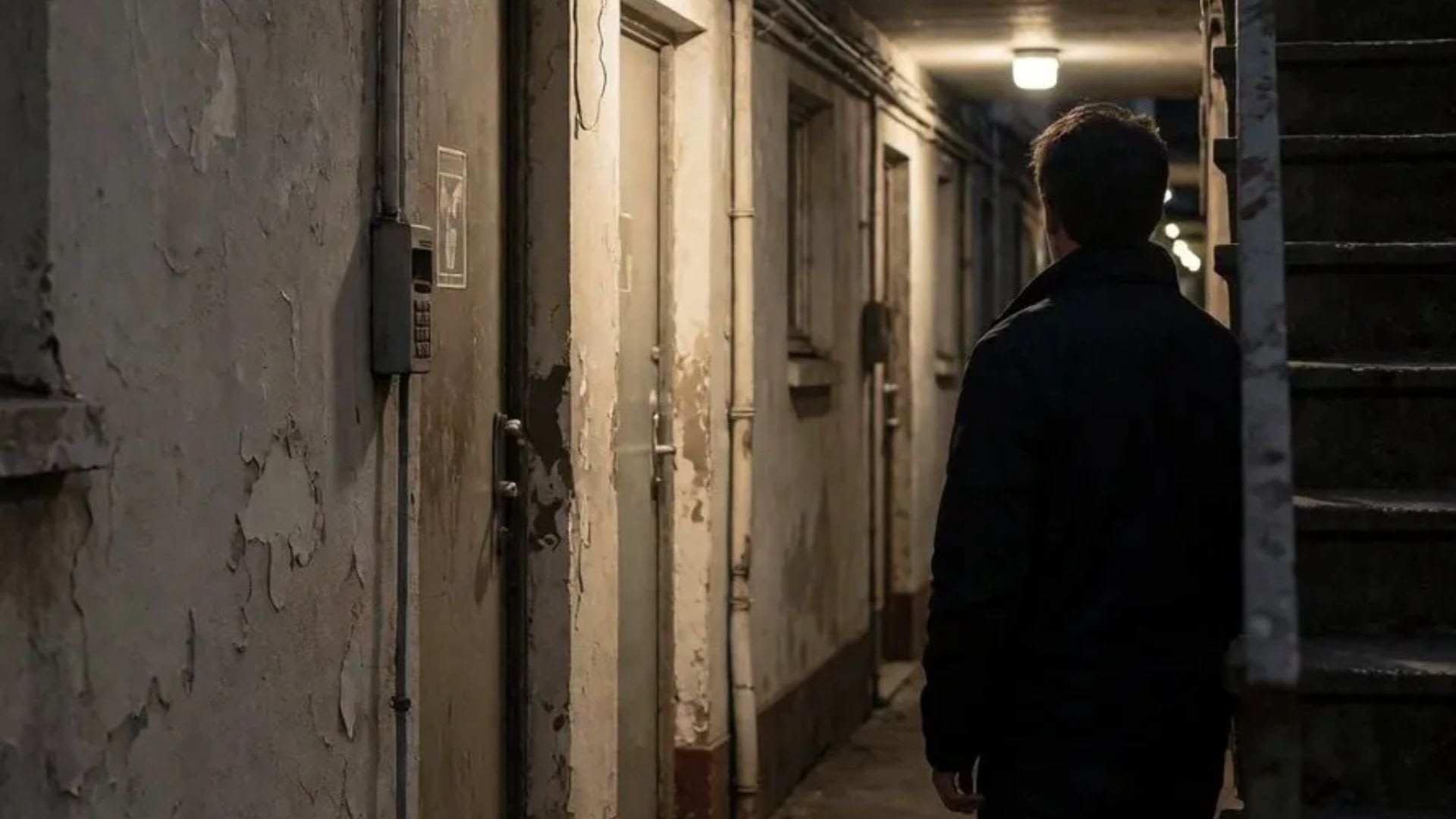
The first thing I remember him teaching me was never, ever to stand in front of a door when you knock on it. Always stand to the side, he said, because if somebody opens the door with a gun or shoots through it, you want to be off to the side.
I think his name was Ron.
I grew up in an upper-middle-class family and never experienced the intensity of a metropolitan city until I started working as a paramedic. The whole idea of bringing emergency medicine onto the streets started in the 1970s, and when I started, it was still pretty new. My partner had experience in the system but was not a paramedic. Even though I was brand new and had more medical training and expertise, he’d been working the streets for decades.
It was the early 1980s, and I was working 11 pm to 7 am downtown. We covered the Tenderloin district in San Francisco, a dangerous part of town. I’d also gone to paramedic school with a harder curriculum than most of the guys in the city went through. (They used to make fun of us. ‘Daniel Freeman paramedics are the best, just ask one of them.’) So on the medicine, I knew more than he did. That part was true.
He knew the streets. I didn’t.
The ambulance service in San Francisco goes back to the late 1800s, so by the early 80s it was an old system. Bringing paramedics in wasn’t an easy transition, and there was some tension. I was part of that. I was also working in a city that was a little suspicious of people who didn’t grow up there. I was an outsider.
I could have walked in there and made sure everybody knew I had more training. Some of the new paramedics did that. Maybe you’ve seen that happen.
I didn’t do it that way, and I’d like to tell you that it was because I was so wise, but that’s really not even close. I learned the hard way. I moved a lot as a kid, so I knew how to be the new guy, and watching for a while is key to becoming part of a group when you come in from the outside.
As a new kid at the American school, coming in mid-fifth grade, I caused some disruption. The teacher physically pulled me out of my desk, something that had never happened before, and told me in no uncertain terms that that behavior would not happen again. I got the message.
You read the room first.
Over time, mutual respect grew. While he respected my understanding of emergency medicine, he also started looking out for me and showing me, mostly by example, how to stay safe on the streets.
He never made a big deal about it. There was no lesson plan or multiple-choice test. He never sat me down and told me he was going to teach me the streets. I watched, and he just did, and I only see now that’s what was happening.
Here’s the part I want you to sit with.
At 25, I was not building anything. I never even remotely considered that learning how to stay safe on the streets would serve me in the 2020s. I was just trying to get through the shift and stay safe.
I think degrees and learning were the currency then. That’s not to say it’s not important now. It certainly is, but there’s more to it. We have access to so much information that we don’t always need a particular person to know it. We can just look it up ourselves. Anyone with a smartphone can pretty much find the answer to any question.
What you can’t look up is what Ron taught me.
We never had any formal training on how to stay safe on the streets. There was no class, manual, or policy. It came from being mentored by a veteran in the system.
We learned by watching them. How did they move? How can you stay safe in an uncontrolled, dangerous situation? How do you move in a crowd? The first time I was in a crowd and the mood shifted to dangerous, and we ran for our lives, I never forgot it.
The cool thing is that it’s coming in handy now. It never dawned on me at the time, but my time on the streets is a real benefit as our culture is in transition.
Maybe I’m just lucky, but what if there’s more to it? I was just living in the moment, not really thinking about the future, but 40 years later I feel prepared.
There’s a bunch of “Rons” out there right now, and I’d like to think maybe I’m one of them. The ones whose “smarts” come from experience and know when a situation is about to go sideways.
It might be someone you outrank.
You get what they know by watching them and showing respect for their “time in the field.”
Here’s something for you to consider: who’s the “Ron” in your life, and how can you learn from him while there’s still time?
John Christy spent 36 years in emergency services — first as a paramedic with the San Francisco Department of Public Health, then as a firefighter-paramedic with the SFFD, where he led their peer support team. Now he coaches leaders and speaks to organizations carrying more than anyone sees. The Hard Truth is his weekly newsletter.
Find John Christy on coachontap.co

John Christy